Car window tinting, done in the bay
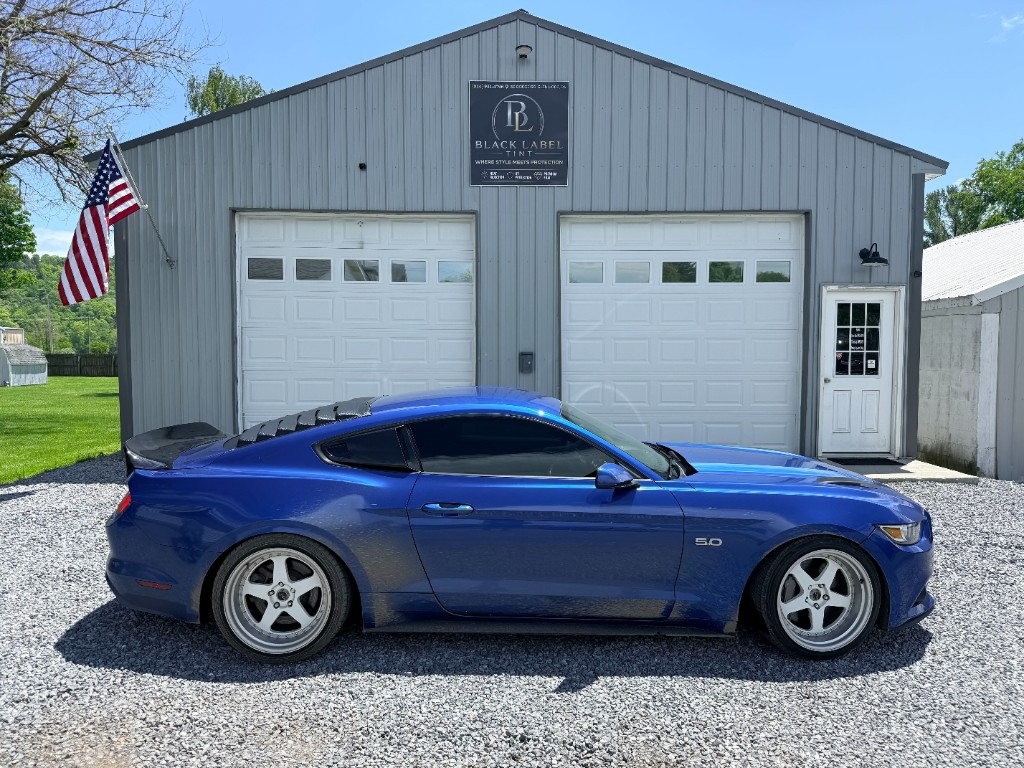
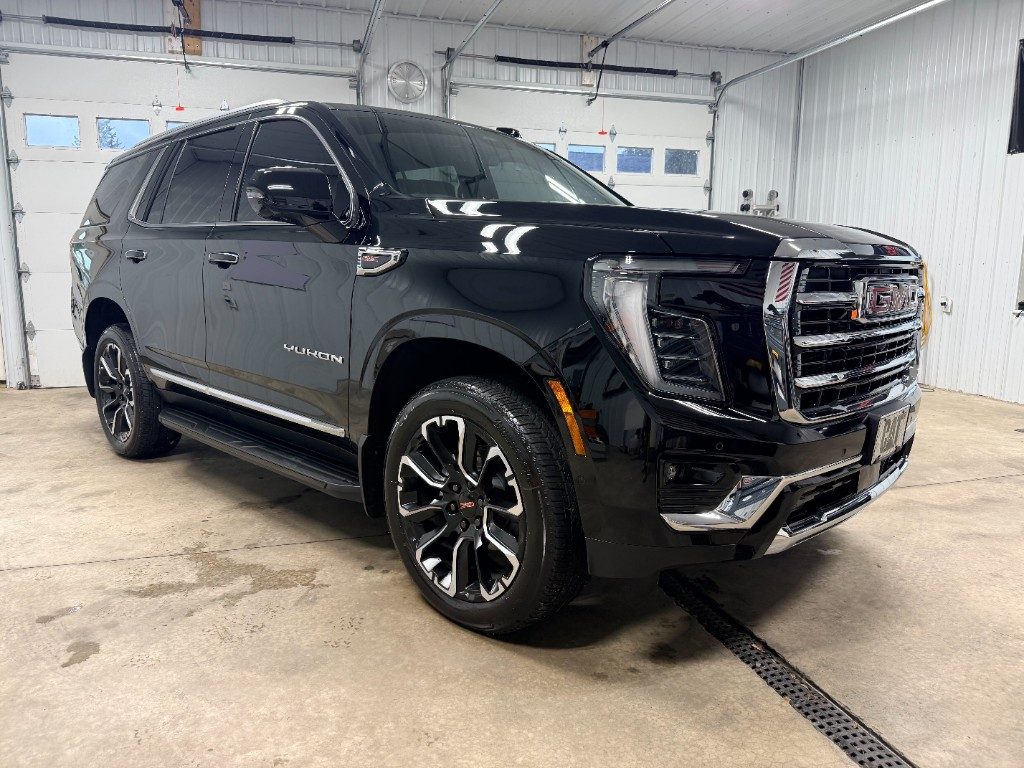
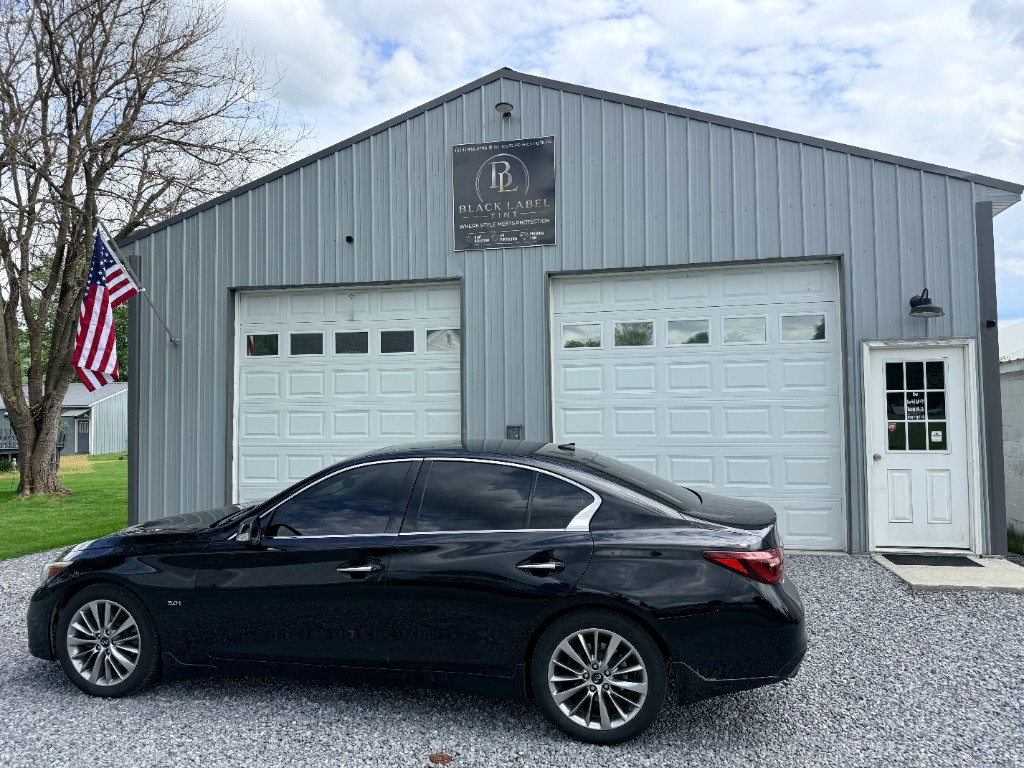
Auto window tint is the job we do most. A vehicle comes into the shop at 60 Dodge Rd, the glass gets cleaned down properly, and the film is cut to that vehicle and squeegeed flat with nothing trapped under it.
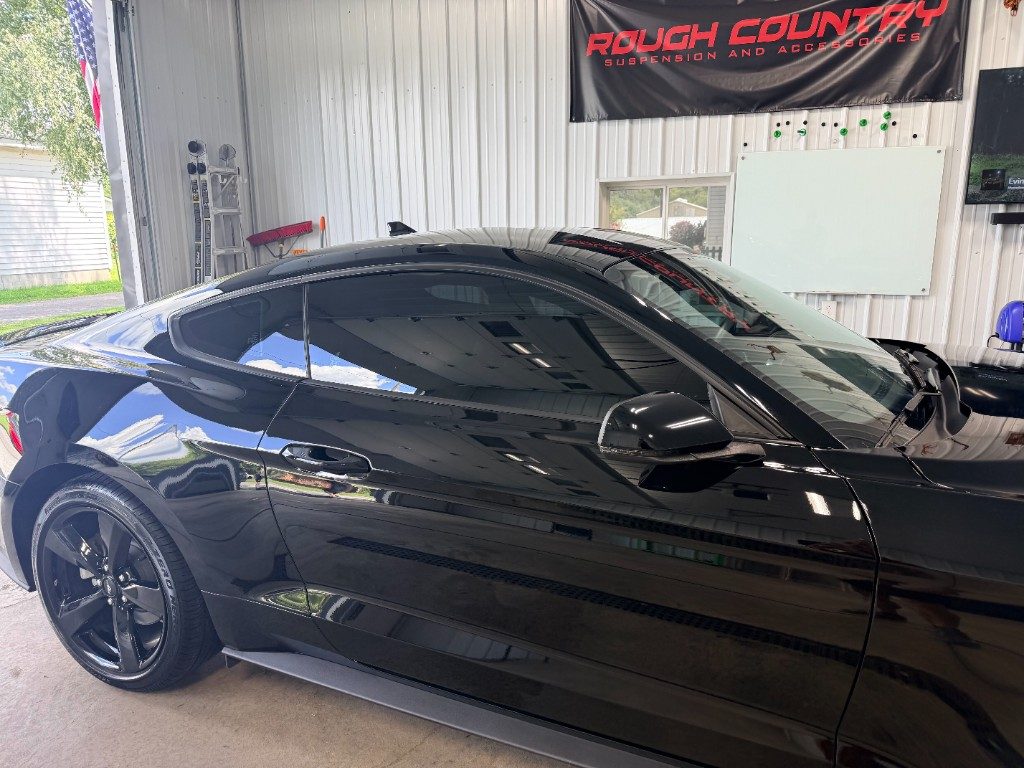
SolarFX film knocks back the heat that builds in a parked car, cuts the glare coming off wet road and low winter sun, and filters the UV that cracks a dash and fades upholstery. A tinted cabin cools down faster and the air conditioning stops fighting the windows.
Cheap film is why people are wary of tint. It goes purple, it bubbles at the edges, and it starts lifting off the defroster lines on the back glass. We do not run it. What we fit holds its color and stays stuck down.
Shade is your call, within what the state allows. Tell us what you drive and what you are trying to fix, whether that is a back seat nobody can see into or a commute straight into the sun, and we will put the right percentage on it.
Vehicles are booked into the shop, not done in a driveway. Call (814) 931-4796 or pick a slot on Square.
The two films we fit, and how they differ
We stock two SolarFX films for vehicles: UFX and IRFX. Both block 99% of UV, which is the part that cracks a dash and fades upholstery, so on that measure there is nothing to choose between them.
Where they separate is heat. UFX blocks 55% of heat. IRFX blocks 75%. That is the whole decision in one line, and it is the reason we ask what the vehicle is used for before quoting.
UFX is the sensible pick for most cars. It handles glare, keeps the UV off the interior, and holds its color instead of going purple two summers in. If the vehicle is parked outside all day, does long summer miles, or has a lot of glass to heat up, IRFX is the one worth paying for. You feel the difference getting into it at four o'clock in August.
Both come in the shades on the ladder above. Shade and heat performance are separate things, which surprises people: a light film can block more heat than a dark one. What you see through the glass is VLT. What you feel is the heat block number.
What Pennsylvania allows on your glass
The numbers come from Table X in PennDOT Publication 45, which sets acceptable light transmittance by vehicle type. Windshield and front side windows are 70% VLT on every vehicle on the road here, no exceptions, so nothing dark goes on the front of anything.
Behind the driver is where vehicles part company. A passenger car needs 70% on the rear side windows and 70% on the rear window. Trucks, vans, SUVs and buses carry no requirement on the rear side windows or the rear window at all.
That is the whole reason we ask what you drive before quoting a shade. The same 20% film that is fine on the back half of a Silverado will fail inspection on a Malibu. Readings are taken with a 3% tolerance either way.
Film itself has to be labelled. Table X requires a label permanently installed between the film and the glass it is applied to, carrying the manufacturer name or a registration number and the statement "Complies with VESC-20."
Two more rules catch people out. Anything along the top edge of the windshield has to stay transparent, clear of the AS-1 line, and no more than 3 inches down from the top (67 Pa. Code § 175.263(a)). And once the rear window is treated, the vehicle needs both outside rearview mirrors, each with at least 19.5 square inches of reflective surface (§ 175.264). Louvered material is separate again: it cannot cut driver visibility below 50% on a horizontal plane.
Medical exemptions, and how they actually work
Pennsylvania issues a medical exemption for drivers who need one, under 67 Pa. Code § 175.265. A licensed physician or optometrist certifies the need due to a disability. The application goes in with the vehicle described by make, year, model and VIN.
PennDOT then issues a certificate of exemption. Worth knowing what that certificate actually authorises: a colorless device that filters ultraviolet light. It is not a permit for dark film.
The certificate travels with the vehicle. Carry it, show it to a police officer on request, and present it at inspection. It is also personal to the owner, so if the vehicle is sold the exemption is void and the new owner has to take the material off.
We cover Clearfield County, Pennsylvania and the surrounding towns. Call (814) 931-4796 or book online and we will confirm the details.